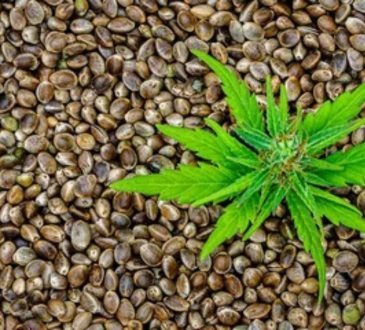
The global agricultural sector faces a massive challenge in balancing crop yields with ecological preservation. Conventional farming practices often rely heavily on synthetic chemicals, intensive water use, and massive land clearances, all of which contribute to soil degradation and biodiversity loss. As the international community seeks sustainable alternatives to mitigate climate change, industrial hemp farming has emerged as an exceptionally viable solution.
Hemp is a distinct variety of the Cannabis sativa plant species that is grown specifically for industrial and environmental use. Unlike other cash crops that exhaust natural resources, hemp actively rehabilitates the ecosystems where it is planted. From capturing atmospheric carbon at an unprecedented rate to cleansing heavily contaminated soils, the environmental benefits of industrial hemp make it an indispensable tool for modern sustainable agriculture.
Rapid Carbon Sequestration and Climate Change Mitigation
One of the most pressing environmental advantages of hemp farming is its ability to capture and store carbon dioxide from the atmosphere. This process, known as carbon sequestration, is crucial for reducing the greenhouse gases that drive global warming.
Hemp is widely considered a high-biomass crop because it grows incredibly fast, often reaching heights of up to fifteen feet in just one hundred to one hundred and twenty days. During this rapid growth cycle, the plant performs photosynthesis at a highly efficient rate. Studies indicate that one acre of industrial hemp can absorb between four and six tons of carbon dioxide during its brief lifespan. This sequestration rate is significantly higher than that of a mature forest of equivalent acreage.
The carbon captured by the plant is integrated into its dense cellular structure. When hemp is harvested and used to manufacture long-lasting materials like bioplastics, insulation, or concrete alternatives, that carbon remains permanently locked away. This makes hemp farming a highly effective method for achieving net-zero carbon initiatives in agriculture.
Soil Rehabilitation Through Phytoremediation
Modern industrial activity has left vast expanses of agricultural and urban land contaminated with heavy metals, chemical runoff, and radioactive elements. Cleaning these soils through traditional mechanical methods is incredibly expensive and destructive to the local ecosystem. Hemp farming provides a natural, biology-driven alternative called phytoremediation.
The term phytoremediation refers to the use of living plants to clean up contaminated soil, air, and water. Hemp is uniquely suited for this task due to its expansive, deep-reaching taproot system. As the roots tunnel into the earth, they absorb water and nutrients along with hazardous contaminants.
Hemp can survive in soils polluted with toxic substances that would easily kill other crops. It safely isolates and stores heavy metals, including lead, nickel, cadmium, and arsenic, within its stalks and leaves without damaging the plant itself. This resilience was demonstrated on a large scale following the Chernobyl nuclear disaster, where scientists successfully planted hemp to extract radioactive contaminants from the surrounding soils. By clearing out these hidden hazards, hemp prepares degraded land for future food crop cultivation.
Minimizing Agricultural Chemical Dependencies
A significant portion of global water and soil pollution stems from the heavy application of synthetic pesticides, herbicides, and fertilizers. These chemicals leach into local watersheds, poisoning aquatic life and degrading the long-term fertility of the soil. Hemp farming offers a refreshing break from this chemical dependency.
Industrial hemp is naturally resilient. Over thousands of years, the plant has developed robust biochemical defenses against a wide range of common agricultural pests, mold strains, and plant diseases. Consequently, farmers rarely need to apply synthetic chemical pesticides during the growing season.
Furthermore, hemp grows with incredible density. When seeds are planted close together, the crops sprout rapidly and create a thick, overhead leafy canopy within just a few weeks. This canopy completely blocks sunlight from reaching the ground below, effectively shading out competing weeds. This natural weed suppression eliminates the need for chemical herbicides altogether, allowing farmers to cultivate cleaner land and protect nearby water resources from toxic runoff.
Water Conservation and Crop Resilience
Freshwater scarcity is an escalating global crisis, and traditional agriculture consumes a vast majority of the world’s accessible fresh water. Crops like cotton are notoriously thirsty, requiring massive irrigation systems that deplete local aquifers and dry out regional river basins. Hemp presents a far more water-efficient alternative for the agricultural economy.
While hemp does require adequate moisture during its initial germination and early growth phases, its water demands drop significantly once the root system is established. The deep roots can pull moisture from deep underground water tables that surface-level crops cannot reach.
On average, cultivating hemp requires roughly half the amount of water needed to grow cotton. In many temperate regions with regular rainfall, hemp can be grown successfully using rain fed agricultural methods without relying on artificial irrigation systems. This remarkable water efficiency relieves pressure on local municipal water supplies and preserves precious aquatic habitats during periods of drought.
Enhancing Biodiversity and Supporting Local Wildlife
Monoculture farming, which involves growing a single crop over a massive area year after year, has decimated natural biodiversity. It destroys local habitats and contributes to the alarming decline of beneficial insect populations, particularly pollinators like honeybees. Hemp farming supports biodiversity by acting as an ecological sanctuary.
Hemp flowers produce an abundance of pollen during a specific time of year when other pollen sources are naturally scarce. In mid to late summer, most traditional agricultural crops have finished flowering, leaving bees with limited foraging options. Hemp fields bloom during this crucial gap, providing an abundant, nutrient-rich food source for bees and other native pollinators when they need it most.
Additionally, the physical structure of a dense hemp field provides excellent temporary shelter and nesting sites for various species of birds, small mammals, and beneficial predatory insects. By introducing hemp into an agricultural landscape, farmers can re-establish a balanced food web that keeps pest populations in check naturally.
Soil Structure Improvement and Modern Crop Rotation
When the same crop is planted repeatedly on the same plot of land, it siphons away specific nutrients, leaving the soil dead, compacted, and vulnerable to wind and water erosion. Hemp serves as an ideal rotational crop that actively restores soil health for future agricultural cycles.
The expansive root systems of the hemp plant break up tightly compacted soil, improving its overall porosity and aeration. This structural loosening allows rainwater to penetrate deeper into the ground rather than running off the surface, which drastically reduces soil erosion.
Additionally, hemp is an excellent contributor of organic matter. During the autumn harvest, the leaves and roots are often left in the field to decompose. As this plant matter breaks down, it returns valuable nutrients, including nitrogen, potassium, and phosphorus, back into the topsoil. Farmers who rotate hemp with food crops like wheat or soy report significantly higher yields in subsequent seasons because the soil is left replenished and structurally revitalized.
Frequently Asked Questions
Does hemp farming require a specific type of climate or soil to grow successfully?
Industrial hemp is incredibly adaptable and can thrive in a wide variety of climates and soil profiles. It grows successfully in almost every US state, tolerating both cooler northern temperatures and hot southern zones. While it prefers well-drained, nutrient-rich loam soils, it can still grow in clay or sandy conditions where other sensitive cash crops frequently fail.
How does the processing of hemp into products impact its total environmental footprint?
The eco-friendly benefits of hemp extend far beyond the farm. For example, processing hemp stalks into paper requires fewer harsh chemicals and no chlorine bleach compared to wood pulp paper. When used to create hempcrete for construction, the material continues to absorb carbon dioxide from the surrounding air for decades after installation, making the overall life cycle highly sustainable.
Can livestock eat the hemp bi-products left over after an environmental harvest?
If hemp is grown specifically for phytoremediation to clear heavy metals or toxic pollutants from contaminated land, the resulting plant material cannot be used for animal feed or human consumption. In those specific cases, the harvested hemp must be safely disposed of or used for industrial applications where the contaminants pose no health risk, such as biomass energy production.
How does hemp compare to timber regarding deforestation rates?
Hemp is vastly superior to trees when it comes to saving forests. Trees take anywhere from twenty to eighty years to mature before they can be harvested for wood or paper products. Hemp reaches maturity in just four months and produces up to four times as much usable fiber per acre as a traditional forest, making it a highly sustainable alternative that prevents deforestation.
Does hemp farming contribute to the spread of invasive plant species?
No, industrial hemp does not pose a threat as an invasive species. While it grows aggressively and shades out weeds within a managed field, it is a domesticated crop that relies on proper soil preparation and agricultural management to thrive over multiple generations. It does not easily spread wild into unmanaged natural ecosystems or disrupt native plant populations.
Is hemp farming legal throughout the United States without special permits?
Since the passage of the 2018 Farm Bill, industrial hemp is legally recognized as an agricultural commodity at the federal level, completely separate from marijuana. However, farmers must still register with their state department of agriculture and comply with localized regulations, which include routine testing to ensure the plants maintain a THC concentration below the legal limit of zero-point-three percent.
How does growing hemp benefit the quality of nearby rivers and streams?
Because hemp fields require little to no synthetic chemical pesticides and herbicides, there is a drastic reduction in toxic agricultural runoff. Additionally, the deep root networks hold the soil firmly in place, preventing loose dirt and silt from washing into local waterways during heavy rainstorms, which helps keep nearby rivers and streams clean and clear.