The wellness market has experienced a massive influx of products featuring cannabidiol, universally known as CBD. From dedicated specialty boutiques to local grocery stores, consumers are met with an overwhelming variety of oils, gummies, capsules, and topicals promising a wide array of health and wellness benefits. For a beginner, trying to navigate this landscape can feel incredibly daunting. The industry is saturated with unique terminology, shifting legal definitions, and inconsistent manufacturing standards that make it difficult to separate high-quality products from clever marketing ploys.
Before spending money on your first CBD product, it is critical to understand what this compound is, how it functions within the human body, and how to evaluate the safety and authenticity of what you are buying. Armed with the right foundational knowledge, you can approach the market with confidence and choose a product tailored safely to your lifestyle needs.
Understanding the Basics: What is CBD
Cannabidiol is a naturally occurring chemical compound found within the Cannabis sativa plant. This plant species contains more than one hundred distinct chemical compounds known as cannabinoids. While marijuana is the most widely recognized variety of this plant family, industrial hemp is the variety utilized to source commercial CBD products.
A common point of confusion for beginners is the relationship between CBD and tetrahydrocannabinol, or THC. THC is the primary psychoactive cannabinoid found in cannabis that creates the intoxicating sensation or high historically associated with marijuana use. CBD is entirely different. It is a non-intoxicating compound, meaning it does not alter your cognitive state, distort sensory perceptions, or cause impairments in daily functioning.
Instead, CBD interacts with the human body through an intricate regulatory network known as the endocannabinoid system. This internal system is composed of receptors spread throughout the brain, central nervous system, immune tissues, and major organs. The endocannabinoid system plays a vital role in maintaining biological balance, or homeostasis, by helping to regulate essential processes such as mood stability, sleep cycles, pain perception, immune responses, and inflammatory management.
The Three Main Types of CBD Extracts
When browsing products online or on store shelves, you will notice that labels specify the type of CBD extract used in the formulation. These categories describe the level of plant processing and determine which other natural compounds remain in the final formula.
-
Full Spectrum CBD: This extract contains all of the naturally occurring compounds found within the original hemp plant. This includes a diverse profile of cannabinoids, essential oils, and aromatic molecules called terpenes. Crucially, full spectrum products can contain trace amounts of THC, though by federal law, this amount must remain under zero-point-three percent by dry weight. Many users prefer full spectrum because of a phenomenon known as the entourage effect, where the combined plant compounds work synergistically to enhance the overall effectiveness of the product.
-
Broad Spectrum CBD: This variation offers an ideal middle ground for consumers who want the benefits of the entourage effect but are uncomfortable consuming any amount of THC. Broad spectrum extracts go through an intentional refinement process to completely isolate and remove the THC molecules while leaving the remaining cannabinoids, flavonoids, and plant terpenes completely intact.
-
CBD Isolate: As the name implies, this is the purest form of the compound available. Through advanced laboratory filtration techniques, all other plant materials, lipids, terpenes, and alternative cannabinoids are systematically stripped away. The result is a crystalline powder that is roughly ninety-nine percent pure chemical cannabidiol. Isolate products have absolutely no taste or odor and contain zero trace of THC.
Choosing the Right Product Format
The delivery method you choose determines how quickly the compound takes effect and how long those effects will endure within your system. Beginners should select a format that aligns with their comfort level and personal goals.
Oral Tinctures and Oils
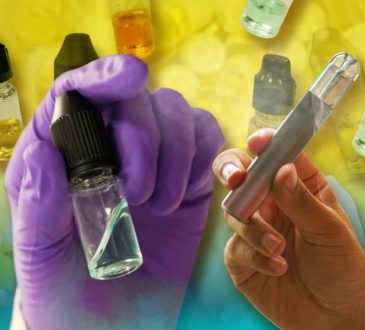
CBD oils are created by blending a concentrated hemp extract with a nutritious food-grade carrier oil, such as medium-chain triglyceride coconut oil or hemp seed oil. These are packaged in dark glass bottles equipped with a precise dropper cap. To use a tincture, you place the liquid droplets directly under your tongue and hold them there for sixty to ninety seconds before swallowing. This sublingual method allows the active ingredients to absorb through the mucous membranes directly into the bloodstream, bypassing the digestive system for relatively fast results, typically within fifteen to thirty minutes.
Edibles and Capsules
For individuals who dislike the natural, earthy taste of botanical oils, edibles and capsules provide a familiar and convenient alternative. Gummies are arguably the most popular edible format on the market today. The primary advantage of capsules and edibles is dosing simplicity, as each individual piece contains a pre-measured, exact milligram amount of CBD. However, because these products must pass completely through your stomach and liver during digestion, it can take anywhere from one to two hours to feel the effects, and a portion of the compound is naturally lost during the metabolic process.
Topicals and Skincare
Topical products include infused lotions, salves, balms, and transdermal patches designed to be applied directly to the skin surface. Unlike oils or edibles, topicals do not distribute CBD throughout your entire biological system. Instead, they interact exclusively with the localized endocannabinoid receptors embedded within the deep dermal layers of the skin. This localized delivery makes topicals an ideal choice for targeting specific areas of muscle soreness, joint discomfort, or localized skin irritation.
How to Verify Quality and Avoid Scams
Because the market has grown rapidly, regulatory oversight remains uneven. This regulatory gap has allowed bad actors to sell low-quality, mislabeled, or entirely unpotent products. To protect your health and your wallet, you must act as an informed investigator before buying.
The single most important step in evaluating a CBD brand is checking for a Certificate of Analysis, often referred to as a COA. A Certificate of Analysis is an official document issued by an independent, accredited third-party laboratory. You should never buy a product from a brand that cannot or will not provide this document easily on their website or via a scannable QR code on the packaging.
A comprehensive laboratory report will confirm two vital pieces of information. First, it verifies potency by proving that the actual milligram count of CBD inside the bottle matches what is advertised on the exterior label. Second, it performs a rigorous safety screening to guarantee the hemp batch is entirely free from hazardous environmental contaminants, including heavy metals, chemical pesticides, residual extraction solvents, mold, and harmful bacteria.
Furthermore, pay close attention to the ingredient list. Many deceptive brands sell cheap products labeled as hemp seed oil at premium prices, capitalizing on consumer confusion. While hemp seed oil is an excellent moisturizer and nutritional supplement, it is pressed from the seeds and contains zero active cannabidiol. Ensure the product explicitly lists cannabidiol, phytocannabinoid-rich hemp extract, or CBD isolate on the ingredient panel.
Dosing Strategies for Beginners
There is no universal, standardized dosage for CBD that works perfectly for every individual. Your ideal dosage depends on a unique array of personal biological factors, including your body weight, individual metabolic rate, unique body chemistry, and the specific severity of the symptoms you hope to address.
The golden rule for beginners introducing CBD to their routine is to start low and go slow. Begin with a very small, conservative dose, such as five to ten milligrams per day. Maintain this exact consistency for several days while keeping a brief log of how your body responds. If you do not achieve the desired wellness results after a week, incrementally increase your dose by an additional two to five milligrams. Repeat this gradual process until you locate your personal therapeutic sweet spot, which allows you to minimize product waste and completely avoid mild, unnecessary side effects like drowsiness or dry mouth.
Frequently Asked Questions
Does CBD interact with regular prescription medications?
Yes, CBD can interact with certain prescription medications. It alters the behavior of specific liver enzymes responsible for metabolizing a wide range of pharmaceutical drugs. If CBD temporarily blocks these enzymes, it can cause your prescription medications to remain in your system at higher, unintended concentrations. It is critical to consult with your primary care physician before using CBD if you take any medications that carry a warning against consuming grapefruit.
How long does CBD stay in the human body after consumption?
The length of time CBD remains in your system depends on your usage frequency, personal metabolism, and dosage size. For occasional or first-time users, the compound is typically cleared from the body within two to five days. For chronic, daily consumers, it can take anywhere from a week to several weeks to completely clear out, as the fat-soluble compounds store themselves temporarily within the body’s lipid tissues.
What are the potential side effects of taking CBD?
While CBD is generally well-tolerated by the vast majority of people, mild side effects can occasionally occur, particularly if a beginner takes an excessively large dose. These side effects can include a sensation of dry mouth, lightheadedness, mild drops in blood pressure, changes in appetite, and temporary feelings of drowsiness or lethargy. If you experience these symptoms, simply lower your next dosage amount.
Can I travel across state lines with my CBD products?
Yes, you can legally travel across state lines within the United States with hemp-derived CBD products, provided that the product contains less than zero-point-three percent THC in accordance with federal agricultural regulations. If you are flying, the Transportation Security Administration allows CBD products in both carry-on bags and checked luggage, though liquid oils must still adhere to standard airport liquid volume limitations.
Why are some CBD products significantly more expensive than others?
The pricing of CBD products reflects the intensive overhead costs associated with high-quality manufacturing. Cultivating organic hemp, employing clean extraction methods like supercritical carbon dioxide extraction, hiring independent testing laboratories, and obtaining formal quality certifications require significant financial investment. Extremely cheap products often indicate that a brand cut corners on safety testing or utilized inferior synthetic ingredients.
Is it possible to build up a tolerance to CBD over time?
Unlike many traditional supplements or pharmaceutical options, consumers generally do not build up a physiological tolerance to CBD. In fact, some long-term users experience a phenomenon known as reverse tolerance. Because CBD helps support and rebuild the efficiency of your internal endocannabinoid system over time, you may find that you actually require smaller doses to achieve the exact same wellness benefits after a period of regular use.