What is seed germination?
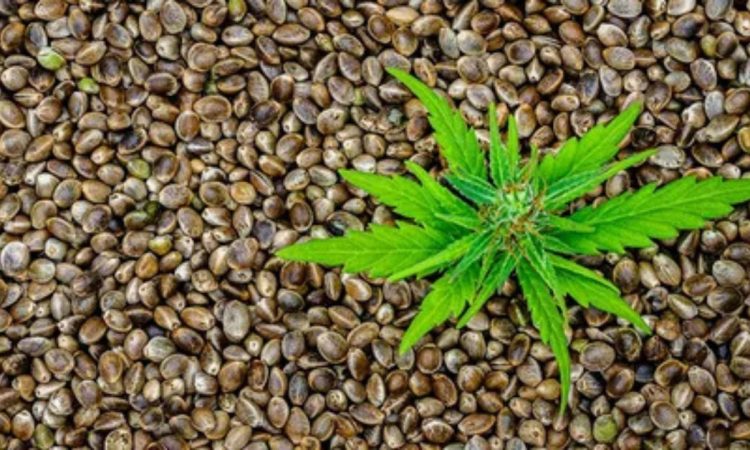
Germination is where it all kicks off, really. A dormant seed sitting in the right warmth and moisture starts shifting from the inside out, the embryo waking up before anything visible happens on the outside. Darkness matters more here than people give it credit for. Water works into the outer shell slowly, softening the casing until something gives, and the genetics pulled from a dependable cannabis seed bank will largely dictate how smoothly that first crack happens.
From there, a taproot drops down while the shoot feels its way upward. That whole sequence might finish overnight or drag across nearly a week, shell age and growing conditions both playing into it more than growers expect going in.
- Temperatures between 21°C and 26°C keep activation consistent.
- Too much light at this point works against shell cracking rather than supporting it.
- Depth of placement shapes whether the shoot actually reaches the surface cleanly.
How does the seedling stage work?
What comes up first are cotyledons, two small, rounded leaves that look nothing like what the plant eventually becomes. They are not decorative. Their only function is to capture enough light to keep the seedling running while the root system gets itself sorted underneath. Proper leaves emerge not long after, distinctly serrated, and that arrival is usually when growers start paying closer attention.
- Root spread happens fast in this phase, laying down the absorption network the plant depends on later.
- Keeping lights on an 18/6 schedule tends to produce the most stable early growth.
- Wet medium is a bigger problem than dry medium at this stage; oxygen access in the soil matters.
Humidity around 65% to 70% suits this phase well. Leaf colour is the most honest signal available here, and pale or yellowing growth usually points to something going wrong before any structural issue becomes obvious.
Vegetative growth phase
Plants change shape noticeably during vegetation. Internodal gaps widen, stems push thicker, and branching starts spreading the canopy outward in ways that reflect what the genetics were always going to produce. Strains from weaker or inconsistent sources tend to show that here more than anywhere else in the grow.
Nitrogen is what the plant runs on through this stretch, feeding leaf production and building the stem structure that flowering will later depend on. Growers who train during this window, whether through topping or bending, are redistributing where that energy goes rather than letting it stack at one point. The phase length shifts a lot between strains, anywhere from a few weeks to several months, depending on the variety and what the grower is aiming for.
Flowering stage maturity
Dropping light to 12 hours is what flips photoperiod strains into flower. Node sites show pistils first, then bud sites develop and pack in over the following weeks. Terpene output increases noticeably through this stretch, building toward the aromatic profile the strain carries at full maturity.
Trichome colour is what growers actually watch when judging readiness. Clear trichomes mean the plant is not there yet. Cloudy ones suggest peak cannabinoid development. Amber indicates the process has moved past that point. Where in that range a grower harvests depends entirely on the effect being targeted.
No stage stands apart from the ones before it. Germination shapes the seedling, the seedling shapes what vegetation can do, and vegetation shapes what flowering has to work with. Every phase carries the weight of the last one.